What Your Dentist Looks for During a Comprehensive Oral Examination?
Many people think a dental check-up simply involves looking for cavities and cleaning their teeth. In reality, a comprehensive oral examination is far more detailed. Every routine visit allows your dentist to assess not only the health of your teeth but also your gums, jaw, bite, soft tissues, and even signs of broader health conditions that may first appear in the mouth.
A thorough examination is one of the most important steps in preventive dentistry because it focuses on identifying concerns before they become painful or require extensive treatment. If you're visiting a dentist in Princeton, understanding what happens during a comprehensive oral examination can help you feel more confident about your appointment and appreciate the value of regular dental care.
Why Comprehensive Oral Examinations Are Important
Your mouth is constantly changing. Even if your teeth feel fine, small problems can develop without causing noticeable symptoms.
A comprehensive oral examination allows your dentist to monitor these changes over time and detect issues at an early stage.
Regular examinations help:
- Prevent dental problems from worsening
- Identify cavities early
- Detect gum disease
- Monitor existing dental work
- Screen for oral cancer
- Assess bite alignment
- Maintain long-term oral health
Preventive care is almost always easier, less invasive, and more cost-effective than treating advanced dental conditions.
Reviewing Your Medical and Dental History
Before examining your mouth, your dentist will usually review your medical history.
This discussion helps identify health conditions or medications that may affect your oral health.
Topics often include:
- Current medications
- Allergies
- Previous dental treatments
- Medical conditions
- Recent surgeries
- Pregnancy
- Lifestyle habits such as smoking
Many medical conditions, including diabetes, autoimmune disorders, and osteoporosis, can influence oral health, making this conversation an important part of your examination.
Updating your medical history at each visit helps your dentist provide safe and personalized care.
Examining Your Teeth
One of the primary goals of the examination is assessing the health of every tooth.
Your dentist carefully checks for:
Tooth Decay
Small cavities are often difficult to detect without a professional examination.
Early treatment helps preserve more natural tooth structure while preventing larger restorations later.
Cracks and Fractures
Tiny cracks may not cause pain initially but can worsen over time if left untreated.
Identifying them early allows your dentist to recommend appropriate treatment before the damage progresses.
Worn Teeth
Grinding, clenching, acidic foods, and ageing can gradually wear away enamel. Monitoring tooth wear helps prevent sensitivity, fractures, and bite problems.
Assessing Your Gums
Healthy gums are essential for maintaining healthy teeth.
During your examination, your dentist evaluates the condition of your gums by looking for signs of:
- Redness
- Swelling
- Bleeding
- Gum recession
- Infection
- Periodontal disease
Your dentist may also measure the spaces between your teeth and gums using a small periodontal probe.
These measurements help identify early gum disease before significant bone loss occurs.
Early treatment is highly effective and can often prevent more advanced periodontal problems.
Checking Existing Dental Restorations
If you have fillings, crowns, bridges, veneers, or dental implants, your dentist examines each restoration carefully.
The goal is to ensure they continue functioning properly.
Your dentist checks for:
- Loose restorations
- Wear
- Fractures
- Leakage around fillings
- Damage to crowns
- Implant stability
Regular monitoring helps extend the lifespan of existing dental work while preventing complications that could require more extensive treatment.
Evaluating Your Bite
Your bite affects much more than chewing. When teeth don't come together correctly, excessive pressure may develop on certain teeth or jaw joints.
Your dentist evaluates:
- Tooth alignment
- Bite balance
- Jaw movement
- Signs of uneven wear
- Clenching or grinding habits
Identifying bite problems early may help reduce tooth wear, jaw discomfort, headaches, and future restorative needs.
Looking for Signs of Teeth Grinding
Many people grind or clench their teeth without realizing it, particularly while sleeping.
During a comprehensive examination, your dentist looks for signs such as:
- Flattened chewing surfaces
- Cracked enamel
- Chipped teeth
- Jaw muscle tenderness
- Tooth sensitivity
If grinding is suspected, your dentist may recommend protective treatment such as a custom night guard to minimize further damage.
Examining Your Jaw Joint
The temporomandibular joint (TMJ) allows your jaw to open, close, and move comfortably.
Problems affecting this joint may cause:
- Jaw pain
- Clicking sounds
- Difficulty opening the mouth
- Facial discomfort
- Headaches
Your dentist evaluates jaw movement and listens for abnormal joint sounds while assessing overall jaw function.
Early diagnosis often helps manage TMJ problems before symptoms become more severe.
Screening for Oral Cancer
One of the most valuable parts of a comprehensive examination is the oral cancer screening.
Your dentist examines the:
- Tongue
- Lips
- Cheeks
- Roof of the mouth
- Floor of the mouth
- Throat
- Soft tissues
They look for unusual sores, colour changes, swelling, or lesions that may require further investigation.
Oral cancer is often most successfully treated when detected early, making routine screening an important part of preventive dental care.
Assessing Your Soft Tissues
Beyond your teeth and gums, your dentist carefully examines all soft tissues inside your mouth.
Changes in these tissues may indicate:
- Infections
- Trauma
- Nutritional deficiencies
- Autoimmune conditions
- Viral infections
Many general health conditions first present signs inside the mouth, allowing dentists to identify concerns that may require further medical evaluation.
Taking Dental X-Rays When Needed
Not every dental problem is visible during a visual examination.
Depending on your individual needs, your dentist in Princeton may recommend digital X-rays to assess areas beneath the surface.
X-rays help identify:
- Hidden cavities
- Bone loss
- Tooth infections
- Impacted teeth
- Developing wisdom teeth
- Root problems
- Jaw abnormalities
Modern digital imaging uses significantly lower radiation than older systems while providing highly detailed diagnostic information.
Your dentist will only recommend X-rays when clinically appropriate.
Evaluating Your Oral Hygiene
A comprehensive examination also includes assessing your daily oral hygiene routine.
Your dentist looks for:
- Plaque accumulation
- Tartar deposits
- Brushing effectiveness
- Flossing habits
- Areas requiring additional attention
Rather than simply identifying problems, your dentist provides personalized recommendations to help improve your home care routine.
Small adjustments to brushing and flossing techniques often produce significant improvements in long-term oral health.
Discussing Lifestyle Factors
Several lifestyle habits directly influence oral health.
Your dentist may ask about:
- Smoking or vaping
- Alcohol consumption
- Diet
- Sugar intake
- Sports participation
- Stress-related grinding
Understanding these factors allows your dentist to recommend preventive strategies tailored to your individual needs.
These conversations support both oral health and overall well-being.
Creating a Personalized Treatment Plan
If any concerns are identified during your examination, your dentist develops a treatment plan based on your priorities and oral health needs.
This plan may include:
- Preventive care
- Professional cleaning
- Fillings
- Gum treatment
- Cosmetic dentistry
- Orthodontic consultation
- Bite management
- Ongoing monitoring
Rather than recommending unnecessary treatment, comprehensive examinations focus on maintaining healthy teeth while addressing concerns before they become more serious.
How Often Should You Have a Comprehensive Oral Examination?
Most patients benefit from regular dental examinations every six months, although the ideal schedule varies depending on individual risk factors.
Patients with gum disease, extensive dental work, or certain medical conditions may require more frequent reviews.
Your dentist will recommend an examination schedule based on:
- Oral health status
- Age
- Medical history
- Risk of decay
- Gum health
- Previous dental treatment
Regular visits allow your dentist to monitor changes over time while helping prevent unexpected dental problems.
How to Find the Right Dentist
A thorough examination depends on the experience and attention to detail of your dental team.
When selecting a dentist in Princeton, look for a practice that offers:
Comprehensive Preventive Care
Routine examinations should assess your complete oral health rather than simply checking for cavities.
Modern Diagnostic Technology
Digital imaging and advanced diagnostic tools improve early detection and treatment planning.
Personalized Recommendations
Every patient has different needs, and treatment should reflect individual goals and oral health priorities.
Patient Education
A good dentist explains findings clearly and helps patients understand how to maintain healthy smiles between appointments.
Conclusion
A comprehensive oral examination is one of the most valuable investments you can make in your long-term oral health. Far more than a routine check-up, it allows your dentist to evaluate your teeth, gums, bite, jaw, soft tissues, and overall oral health while identifying potential concerns before they become serious.
Through early diagnosis and preventive care, comprehensive examinations help protect your smile, reduce future treatment needs, and support your overall well-being.
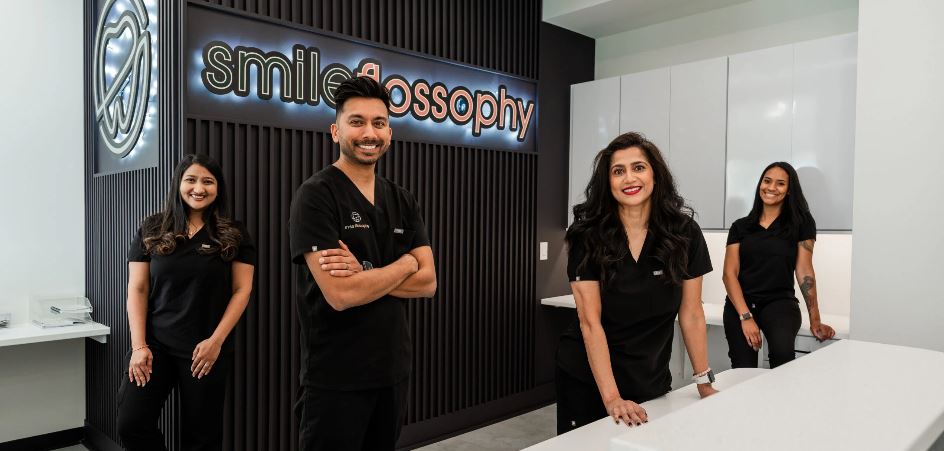
At Smile Flossophy, our experienced dentist in Princeton provides thorough, patient-focused oral examinations using modern diagnostic techniques and a preventive approach to dental care. We take the time to understand your oral health, answer your questions, and create personalized treatment plans that help you enjoy a healthy, confident smile for years to come.
Ready to protect your smile with comprehensive preventive care? Schedule your appointment with Smile Flossophy today and experience dentistry focused on your long-term oral health.
Source From : What Your Dentist Looks for During a Comprehensive Oral Examination?
